


The short answer is—both! Sales in general combines the fine art of cultivating relationships with the hard science of data measurement.
In the senior living industry, a metric like Inquiries → Tours → Move-ins gives us a measurable benchmark to assess how effective our marketing and sales efforts have been at capturing attention and building trust and rapport.
Let’s explore how the art and science of sales work together, and how to integrate them both into a consistently successful process.
The Art & Science of Sales
The art of sales is about building relationships, being persuasive, and understanding the buyer’s emotional needs. People are more likely to buy from others whom they know, like, and trust. To get to that point, an effective salesperson needs to
- Listen and communicate effectively
- Build rapport
- Create trust with the potential buyer
It’s a fluid, intuitive approach much of the time.
On the other hand, the science of sales is about data-driven decision-making, analysis, and metrics. It involves
- Understanding buyer behavior
- Identifying trends
- Using data to improve the sales process
Because sales outcomes are quantifiable, the data can be used to measure, refine, and improve the process, resulting in a scientifically informed art!
The Art of Senior Living Sales
In the senior living industry, the art and science of sales come together in a unique way. The art of senior living sales involves selling a lifestyle and experience, rather than a product. Empathy, understanding, and connecting with seniors and their families are essential. A great senior living sales rep succeeds by
- Asking insightful, relevant, open-ended questions to uncover each customer’s needs, preferences, and concerns
- Listening intently to each prospect’s concerns and needs in order to address them effectively throughout the sales process
- Building a relationship of trust with older adults and their families as they confront a major life decision
Senior living industry is a competitive industry. With an increasing number of senior living options, it is essential to understand buyer behavior and identify trends to make data-driven decisions. The science of senior living sales can help
- Understand the market demand for senior living
- Analyze data and trends in the industry
- Identify potential customers
- Measure sales performance
Senior living marketing and sales professionals need to analyze data on their target market, such as demographics, psychographics, and lifestyle habits, and leverage these insights to identify the best ways to reach and connect with these prospects.
Try Waypoint’s Navigator for Free!
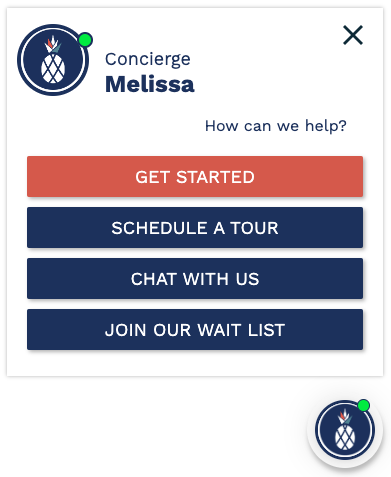
One of the most effective ways to combine art and science in senior living sales is with a virtual sales assistant. Waypoint’s Navigator VSA begins the rapport-building process by addressing common questions and concerns as soon as prospects interact with your community’s website.
Our Lifestyle Quiz feature gathers data from each individual prospect that helps your in-person sales team understand their unique needs, and offer a personalized experience.
Learn more about our solutions